Context
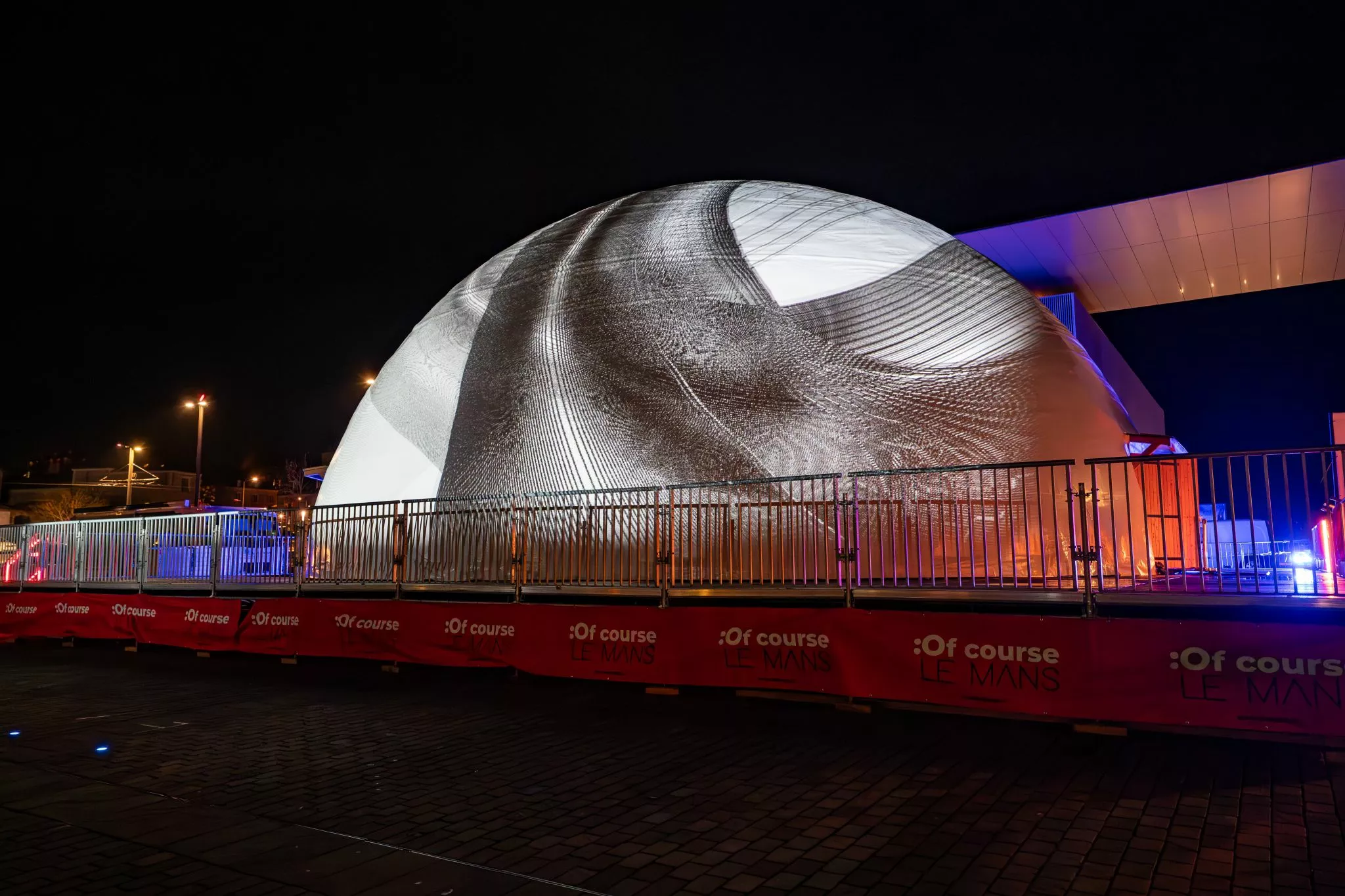
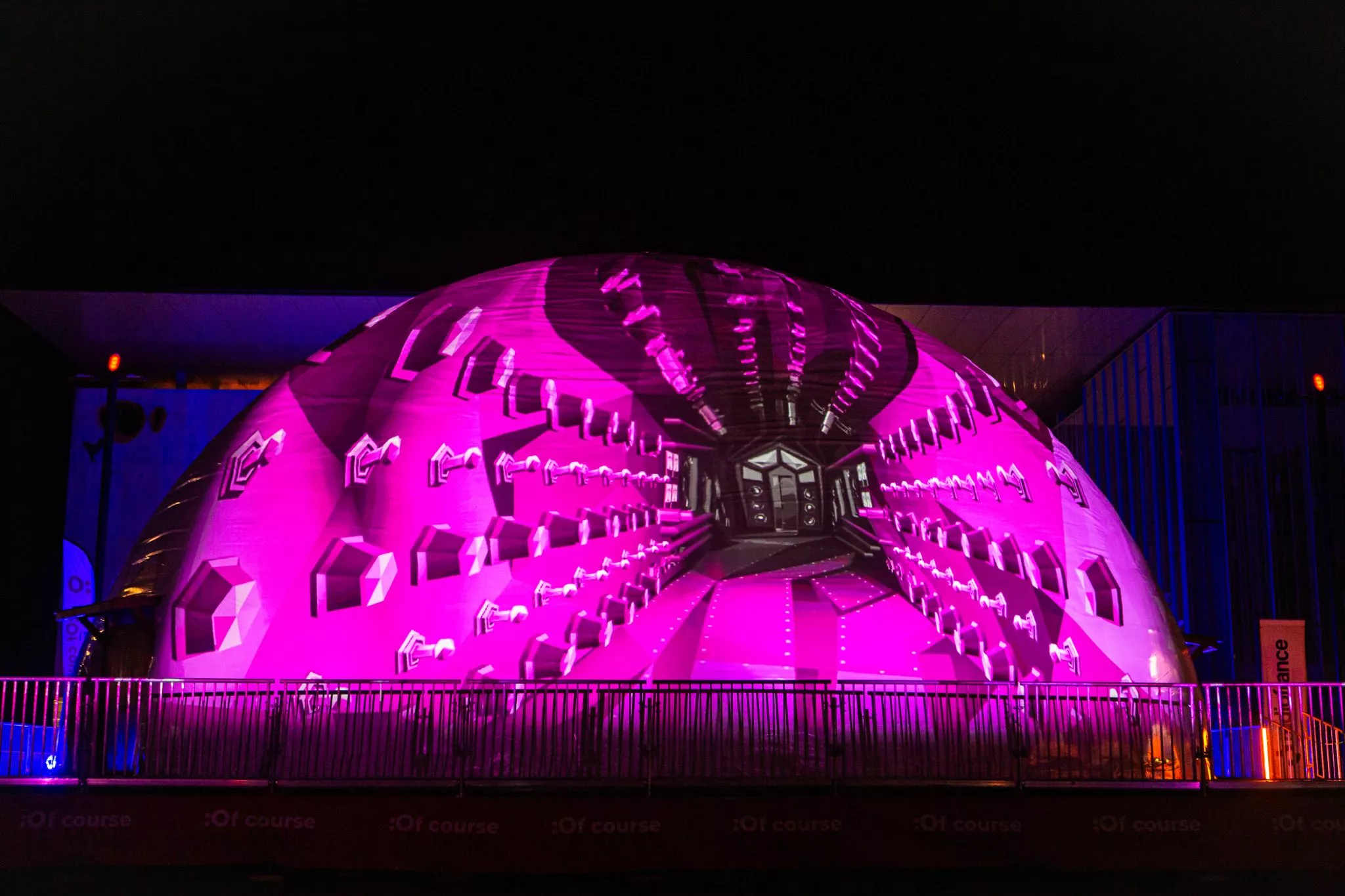
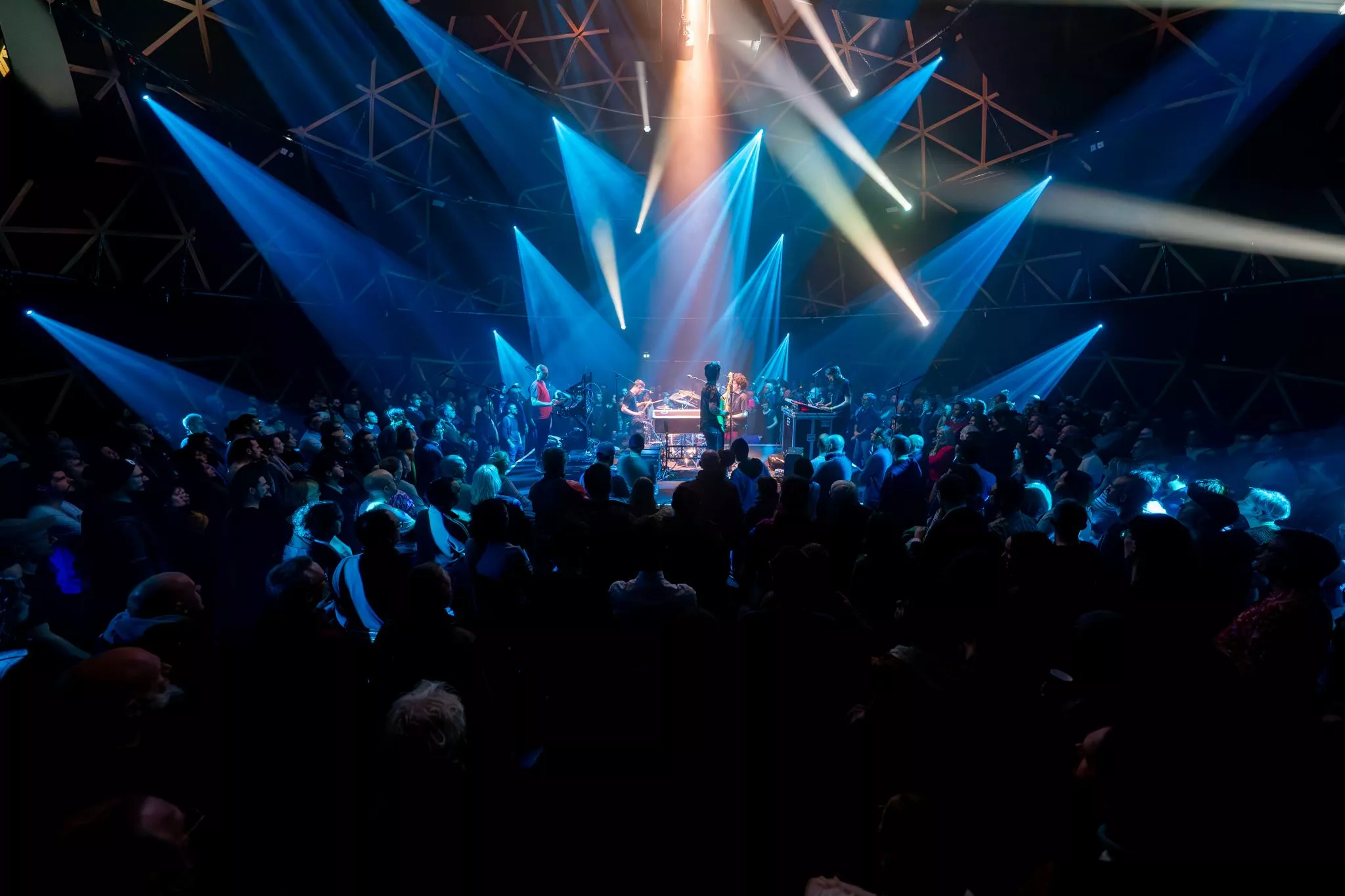
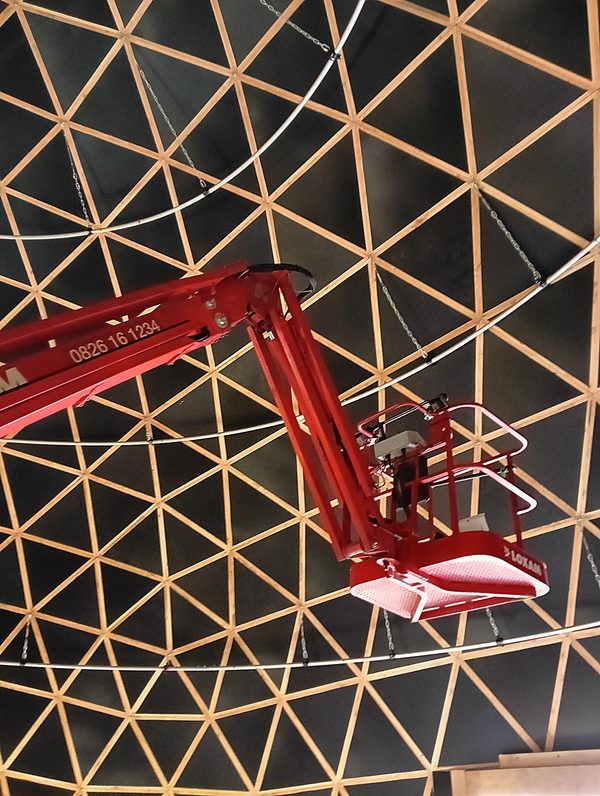
A triangulated timber dome is not a common structure.
Its curved geometry, the multiplicity of connection nodes, and the openings that interrupt the continuity of the mesh all contribute to making its structural modeling significantly more complex than that of a traditional timber framework.
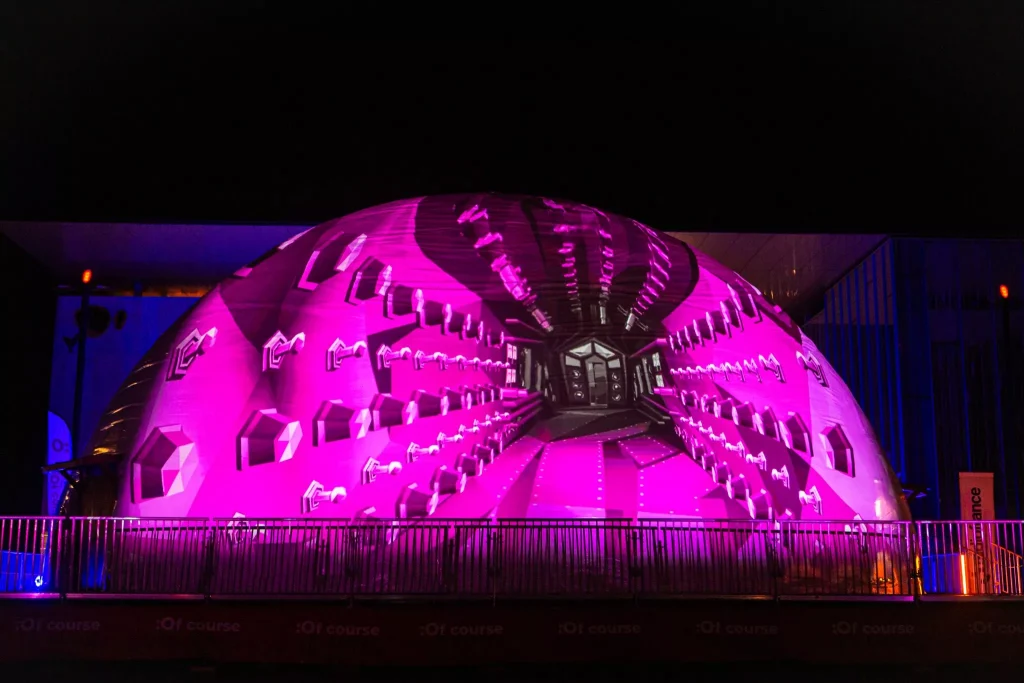
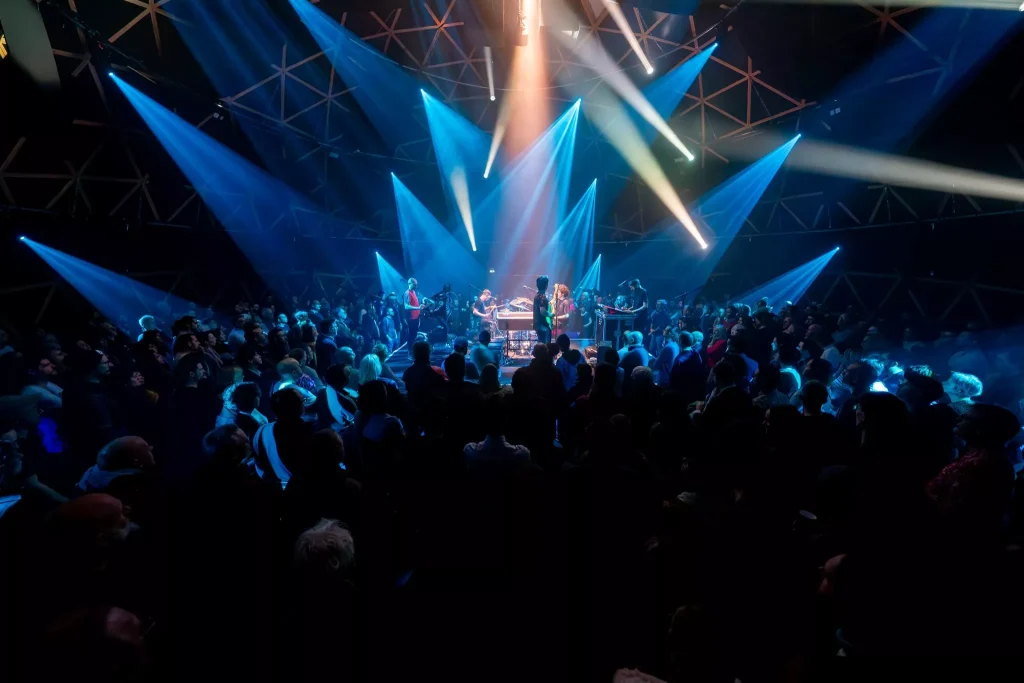
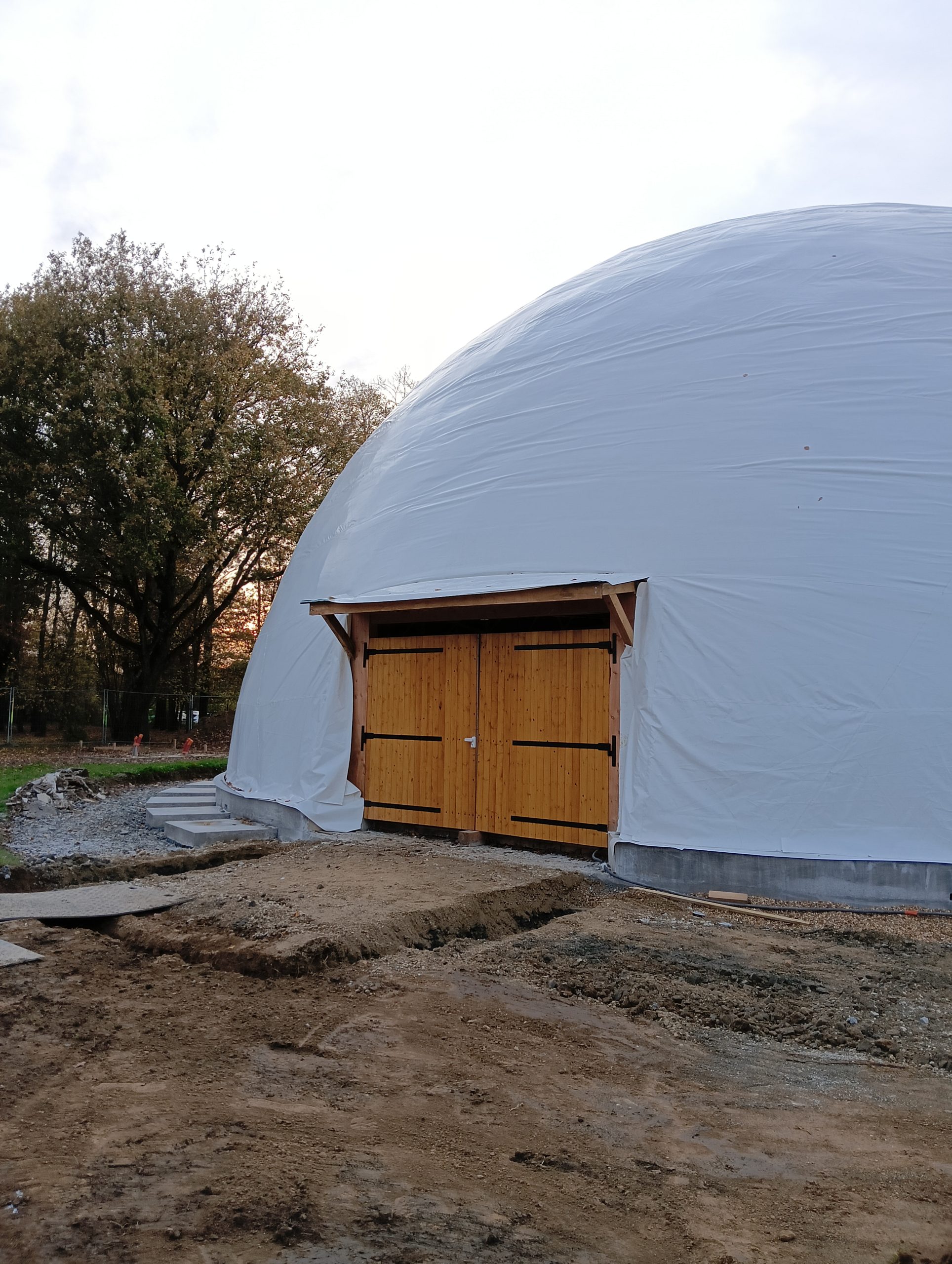
The DART-ITEMM acoustic dome has an additional particularity: originally designed to be dismantled and reassembled over the course of events (it notably hosted a performance by Jean-Michel Jarre during the Le Mans Sonore 2024 biennial), it was ultimately decided to install it permanently on the Le Mans campus.
This change in status requires a fresh perspective on the structure: with no available design documentation and no known strength class for the timber used, the study lies midway between an assessment of an existing structure and the design calculations for a new one.
It is within this framework that CIDECO was commissioned to characterize the materials, reconstruct the geometry of the structure, and recalculate the entire structure in accordance with current Eurocode requirements.
Interventions carried out
The investigations conducted by CIDECO were carried out in several complementary phases.
An initial on-site intervention campaign made it possible to perform detailed geometric surveys of the structure as well as non-destructive testing on various timber elements.
Resistograph measurements were notably carried out to identify potential heterogeneities or internal defects in the structural members.
At the same time, timber samples were taken to carry out mechanical testing in the laboratory.
These tests made it possible to assess the material’s strength, particularly in bending and compression.
Finally, the collected information served as the basis for a complete recalculation of the structure: numerical modeling of the dome, application of regulatory loads (wind, snow, and permanent loads), and verification of the various structural elements and connections.
Inspection of a geodesic timber structure with sensor instrumentation for monitoring and structural diagnosis of a dome
Methods and expertise mobilized
Non-destructive testing using a resistograph provided an initial estimate of the timber quality.
The results indicate a strength class between C22 and C27 according to this method.
Mechanical tests carried out in the laboratory then made it possible to refine this analysis.
The results highlighted high mechanical performance, compatible with a strength class greater than or equal to C24.
All of this data was integrated into a numerical model of the structure, making it possible to simulate the behavior of the dome under different combinations of regulatory loads.
This modeling also made it possible to verify the resistance of the connections, the frames at the openings, as well as the anchoring systems to the concrete support.
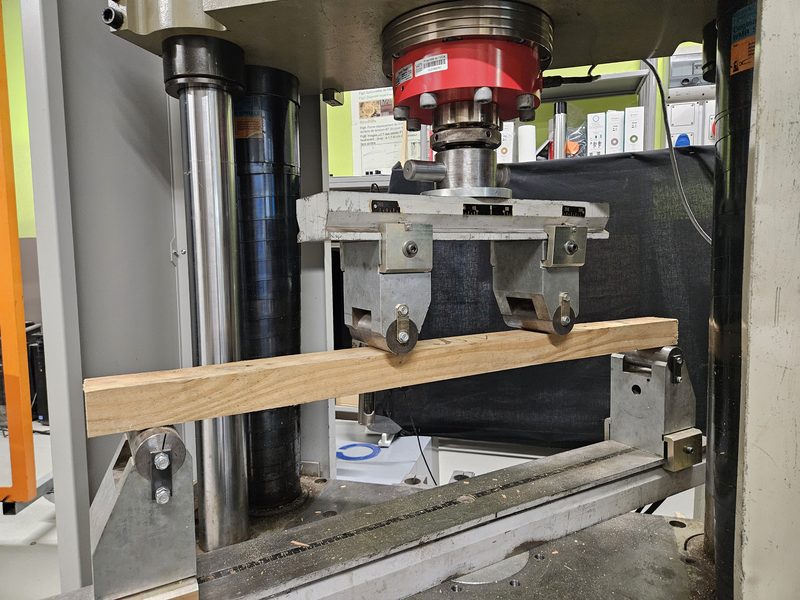
Bending test on a timber element in the laboratory for structural diagnosis and characterization of the mechanical behavior of materials
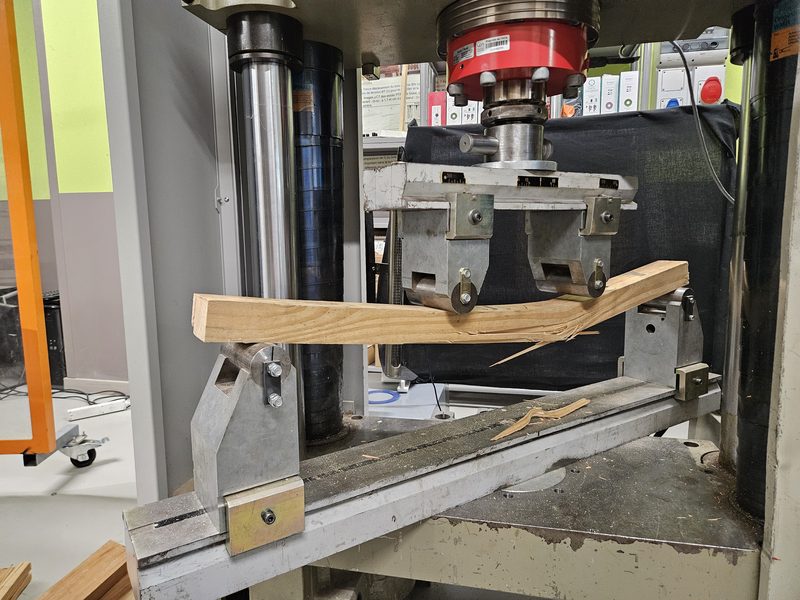
Failure of a timber beam during a laboratory bending test for analysis of structural behavior and validation of calculation assumptions
Added value
This assessment confirmed the good mechanical quality of the timber used and the ability of the structure to withstand current regulatory loads.
The verifications carried out show that the dome structure meets the resistance and stability criteria defined by the Eurocodes, with moderate utilization ratios on structural elements and connections.
Thanks to this approach combining field investigations, laboratory testing, and structural modeling, CIDECO provides the client with a reliable understanding of the structure’s behavior and the necessary elements to confidently plan its operation or future developments.
This approach is part of an innovation context around the immersive dome developed by ITEMM, presented in detail in the project: https://itemm.fr/itemm/le-dome-sonore-du-mans-un-futur-immersif-a-litemm/, illustrating the uses and challenges associated with this type of structure.